Understanding the Cost of eSIM Burundi for Your Travel Budget
10/1/2026
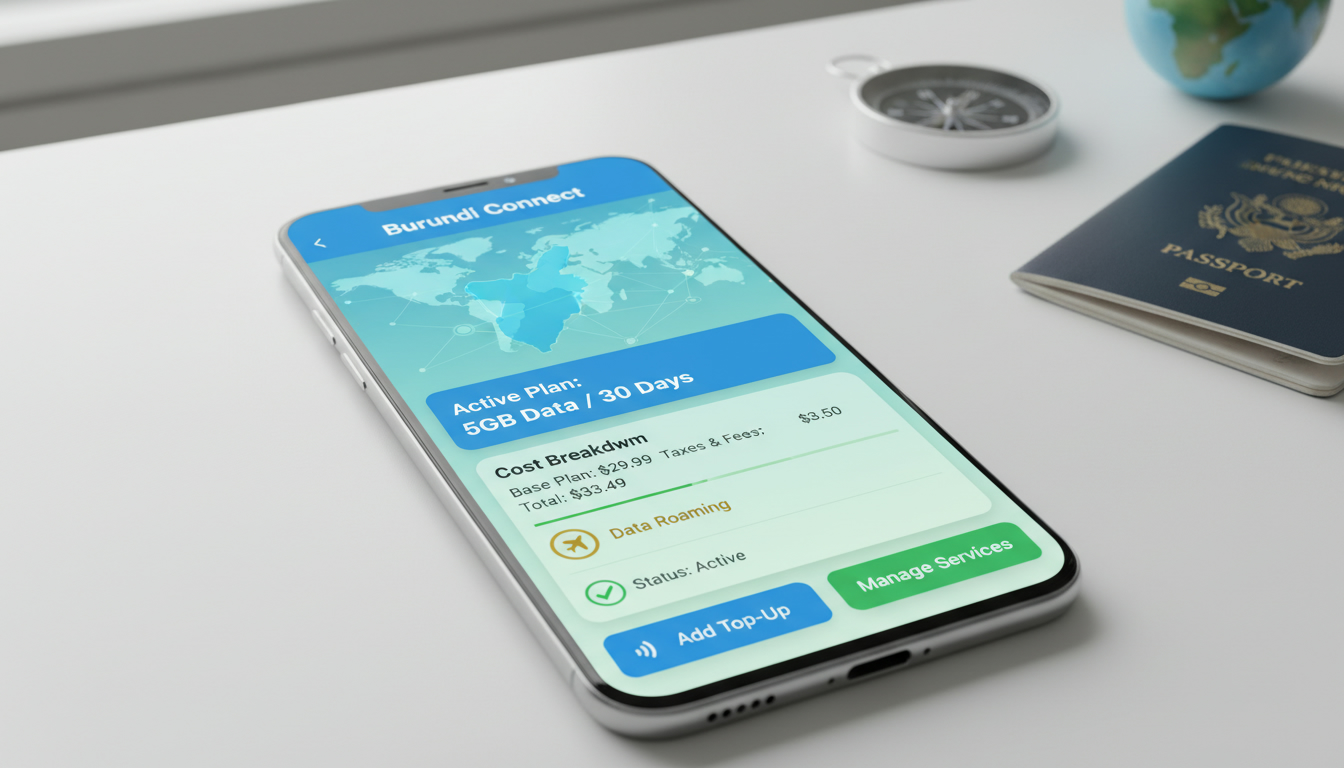
Understanding the Cost Structure of eSIM Services in Burundi for Travelers
When planning a trip to Burundi, knowing exactly what you pay for with an eSIM and what charges are excluded is crucial for managing your travel budget effectively. Unlike traditional SIM cards, eSIMs offer a digital alternative that eliminates the need to swap physical cards, but their pricing and cost components can vary significantly depending on the provider and plan.
In Burundi, the availability of eSIM services is growing, yet understanding the cost breakdown remains key to avoiding unexpected expenses.
What Charges Are Included in eSIM Plans for Burundi?
The core cost of an eSIM plan typically covers data usage, validity duration, and sometimes voice or SMS services if offered. For Burundi travelers, most eSIM providers focus on data plans designed for internet access, which is essential for navigation, communication apps, and booking services.
Data Allowance and Validity
eSIM plans usually specify a data allowance (e.g., 1 GB, 3 GB) valid over a set period (from a few days up to a month). This allowance includes all internet activities such as browsing, streaming, and app usage within Burundi’s network coverage.
For example, some providers offer 3 GB plans valid for 7 to 30 days. The price you pay upfront covers this data quota and the activation period.
Activation Fees and Setup
Most eSIM providers do not charge separate activation fees; the cost is embedded in the plan price. Activation is instant upon purchase through QR code scanning or app setup, which means no additional charges beyond the plan price are expected.
However, you must ensure your device supports eSIM technology compatible with Burundi’s networks.
Network Access and Coverage
The cost also includes access to local mobile networks that support eSIM connectivity in Burundi. While coverage may vary by region, major cities like Bujumbura generally have good network availability.
The cost you pay guarantees access to these networks without roaming fees that physical SIM users might face when using foreign SIMs.
What Charges Are Not Included and Could Affect Your Budget?
Understanding what is excluded from your eSIM plan helps avoid surprises during your trip.
Overage Fees Beyond Data Limits
If you exceed your purchased data allowance before the validity period ends, many providers throttle your speed rather than charge extra fees immediately. For instance, after using 1 GB daily allowance in some unlimited plans, speeds reduce to around 3 Mbps instead of cutting off service or billing extra.
However, if you want to restore full speed or add more data, you must purchase an additional plan or top-up at extra cost.
Voice Calls and SMS Charges
Most eSIM plans for Burundi focus on data only; voice calls and SMS may not be included or could incur separate charges if supported at all. If voice communication is essential during your trip, verify whether your chosen provider offers these services or consider alternative apps like WhatsApp or Skype that use data instead.
Device Compatibility Costs
While not a direct charge from providers, travelers should consider that only certain devices support eSIM technology—commonly newer smartphones like recent iPhone models or Google Pixel phones. If your device lacks eSIM capability, you’ll need to rely on physical SIM cards or purchase compatible hardware, which adds to overall costs.
How to Buy and Activate an eSIM in Burundi Without Hidden Costs
To keep your budget under control when using an eSIM in Burundi, follow these practical steps:
- Choose a Reputable Provider: Use platforms like MyBestSim to compare prices and plans tailored for Burundi travelers. They aggregate offers from multiple providers ensuring transparency on costs.
- Check Plan Details Carefully: Confirm what data volume is included, validity period, speed throttling policies after data exhaustion, and whether voice/SMS are part of the package.
- Verify Device Compatibility: Ensure your phone supports the latest GSMA specification SGP.22 for remote eSIM provisioning; this standard governs how eSIM profiles are securely downloaded and activated.
- Purchase Before Arrival: Buying your eSIM online before traveling avoids last-minute price surges or limited availability at local outlets.
- Activate via QR Code: Scan the QR code provided by your vendor using your phone’s settings menu—this instant activation method prevents extra activation fees or delays.
I always start my travel connectivity setup by confirming device compatibility first because activating an incompatible device wastes both time and money.
Comparing Costs: eSIM vs Physical SIM Cards in Burundi
Travelers often wonder if paying for an eSIM makes financial sense compared to buying a local physical SIM card upon arrival.
Cost Transparency
eSIM pricing tends to be more transparent upfront since you purchase a fixed data plan online with no hidden activation fees or roaming charges. Physical SIM cards may have lower base prices but often come with unpredictable top-up costs or hidden fees for international calls.
Convenience vs Price Trade-Off
While local SIM cards might be cheaper per gigabyte in some cases, they require physical handling—buying at airports or shops—and sometimes registration processes that can be time-consuming. An eSIM offers instant activation without swapping cards but usually at a premium price reflecting this convenience.
Coverage Considerations
Both options rely on local network operators; however, some physical SIMs might grant access to multiple networks via roaming agreements inside Burundi’s borders. With an eSIM tied to one provider’s network profile, coverage quality depends heavily on that operator’s infrastructure.
I’d advise against assuming cheaper always means better; weigh convenience against total expected usage costs carefully before deciding between an eSIM or physical SIM card.
The Real Cost Factors Behind Using an eSIM in Burundi
Beyond basic pricing tables lie several nuanced factors that influence what you ultimately pay:
- Data Speed Throttling Policies: Some providers reduce speeds after daily data limits rather than charging extra; this mechanism helps control costs but affects user experience.
- Validity Period Enforcement: If you don’t use all your purchased data before expiration (e.g., 7 days), unused data is lost without refund—plan accordingly.
- International Roaming Exclusions: Most Burundi-specific eSIM plans exclude roaming outside the country; using data abroad triggers separate roaming charges.
- Customer Support Availability: Providers offering 24/7 support may include this service cost in their pricing model; less expensive options might lack responsive assistance.
- Plan Renewal Options: Automatic renewal can incur recurring charges unless explicitly disabled; monitor subscriptions closely during travel.
- Device Locking Restrictions: Some phones locked to specific carriers may not accept third-party eSIM profiles without unlocking procedures that add cost and complexity.
Practical Tips for Budget-Conscious Travelers Using eSIMs in Burundi
- Always check if the provider offers a trial or small data package first—this limits upfront spending while testing coverage quality.
- Avoid activating multiple overlapping plans simultaneously; unused overlapping data wastes money.
- Use Wi-Fi hotspots where available to conserve mobile data usage.
- Monitor real-time consumption through your phone’s settings or provider’s app to avoid unexpected throttling.
- Keep a backup communication method ready (e.g., physical SIM) if coverage gaps occur unexpectedly.
For detailed guidance on how to activate an eSIM smoothly once purchased, I recommend reading my step-by-step tutorial on how to activate an eSIM which covers common pitfalls and activation signs that it worked correctly.
The Latest Trends in eSIM Technology Affecting Costs in Burundi
The GSMA specification SGP.22 standardizes remote provisioning of embedded SIMs worldwide including Burundi. This technology allows seamless switching between operators without changing hardware but requires compatible devices and operator support.
As more Burundian carriers adopt this technology alongside international providers offering global plans with regional coverage options, competition should drive prices down gradually while improving service quality.
However, I’ve noticed that early adopters often face higher prices due to limited supplier competition locally combined with infrastructure investment costs passed onto consumers.
Travelers should expect evolving pricing structures as market maturity increases but remain vigilant about reading fine print regarding included services versus excluded extras like voice calls or roaming fees.
For insights into optimizing your travel connectivity budget beyond Burundi itself, my article on Egypt’s best eSIM data plans provides useful parallels applicable across many African destinations sharing similar telecom environments.
By focusing strictly on what you pay for with an eSIM in Burundi—data volume, validity period—and what isn’t included—voice calls, overage charges beyond throttling—you can better manage your travel budget without surprises. Understanding these cost components alongside device compatibility and activation processes ensures you stay connected efficiently throughout your trip.
FAQ
What costs are included in Burundi eSIM plans?
Burundi eSIM plans typically include data allowance, validity period, and network access. Most focus on data for internet use, with activation fees embedded in the plan price. Voice calls and SMS are often excluded or charged separately.
Are there extra fees if I exceed my eSIM data limit?
Instead of extra charges, many providers throttle your speed after data limits are reached. To regain full speed or add data, you must purchase additional plans or top-ups, which incur extra costs.
How do I activate an eSIM in Burundi without hidden charges?
Activate your eSIM by scanning the QR code from a reputable provider before arrival. This instant activation avoids extra fees. Ensure your device supports eSIM technology compatible with Burundi’s networks.
Is using an eSIM cheaper than a physical SIM in Burundi?
eSIMs offer transparent pricing and convenience but may cost more upfront than local physical SIM cards. Physical SIMs can be cheaper per gigabyte but require physical handling and sometimes complex registration.
What device compatibility issues affect eSIM use in Burundi?
Only newer smartphones supporting GSMA SGP.22 standard can use eSIMs in Burundi. If your device lacks eSIM capability, you’ll need a physical SIM or compatible hardware, which adds to your overall travel costs.

Omar Hassan
Omar is a travel-tech writer covering North Africa and the Middle East. At Egypt eSIM he tests Vodafone, Orange and Etisalat coverage from Cairo to the Red Sea.