Best Time for Egypt Travel in 2026 with eSIM Connectivity
8/25/2026
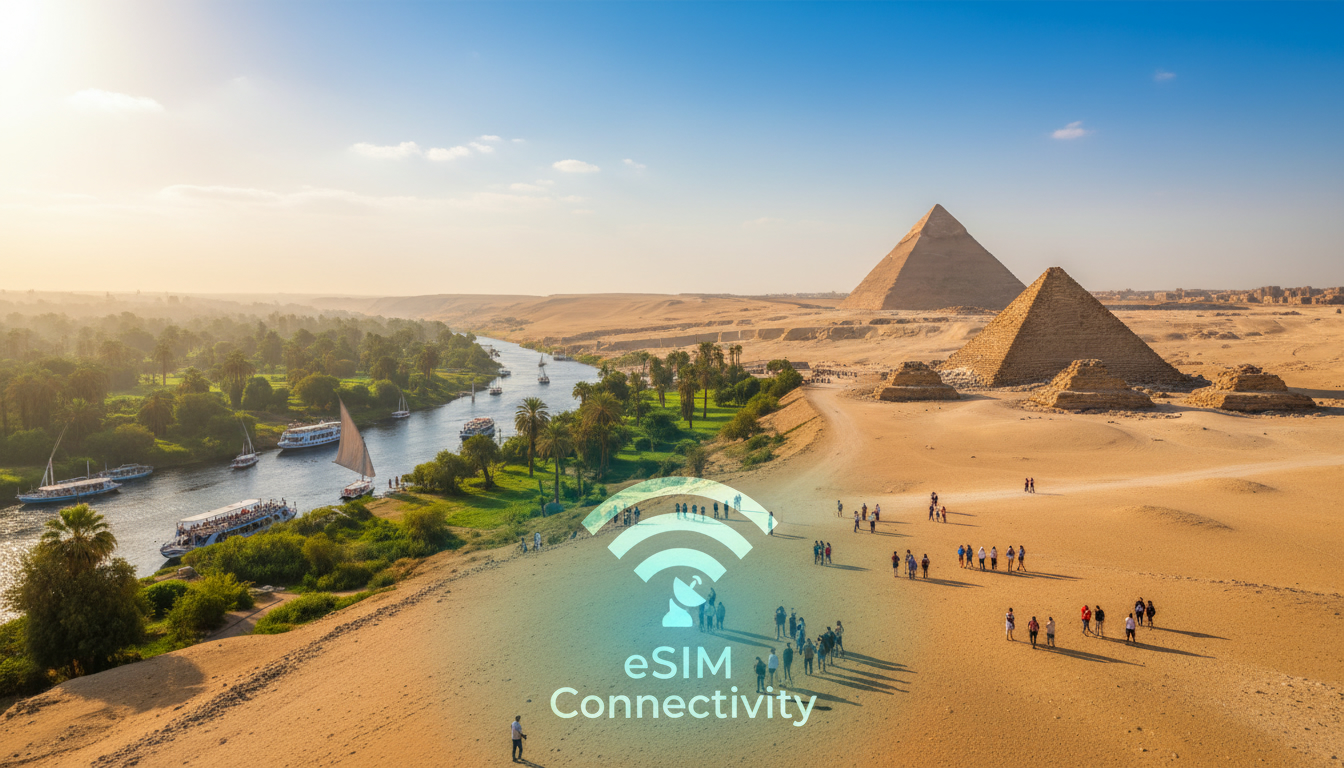
In short, what you'll discover in this article: the current time for Egypt, how its time zone works including daylight saving time, the best travel seasons to explore Egypt comfortably, and tips for managing your schedule when connecting with friends or planning tours like the Egyptian pyramids or Nile River cruises.
1. Understanding the Time for Egypt: Current Local Time and Time Zone
Egypt operates on Egypt Standard Time (EGY), which is UTC+02:00. This means Egypt is two hours ahead of Coordinated Universal Time.
Unlike many countries, Egypt does not currently observe daylight saving time, so the clocks remain consistent throughout the year. For example, if it’s 12:00 PM UTC, it will be 2:00 PM in Cairo.
Knowing the exact local time in Egypt is crucial for scheduling calls or meetings, especially if you live in a different time zone. The time difference between Egypt and USA varies depending on the US region and whether daylight saving time is active there.
For instance:
- Eastern Time (ET) is usually 7 hours behind Egypt.
- Pacific Time (PT) is typically 9 hours behind Egypt.
You can check the precise current time and time zone details at Time and Date’s Cairo page.
2. The Best Time to Visit Egypt: Seasons and Climate Overview
Egypt’s climate is predominantly desert, characterized by hot summers and mild winters. Choosing the best time to visit Egypt depends on your tolerance for heat and your travel goals.
2.1 Egypt Travel Seasons
- Winter (December to February): This is the most popular season for tourists. Temperatures are mild (around 15-20°C / 59-68°F), making it ideal for outdoor activities like visiting the pyramids or cruising the Nile.
- Spring (March to May): Warm temperatures start rising but remain comfortable for sightseeing. However, occasional sandstorms can occur.
- Summer (June to August): Extremely hot with temperatures often exceeding 40°C (104°F), especially in southern regions like Luxor and Aswan. Not recommended for those sensitive to heat.
- Autumn (September to November): Similar to spring with pleasant weather returning after summer heat.
2.2 The Climate of Egypt by Region
- Northern Coast: Mediterranean climate with cooler summers.
- Nile Valley: Hot desert climate with dry heat.
- Red Sea Coast: Warm year-round, great for beach vacations.
3. Planning Your Visit: Optimal Times for Popular Activities
Timing your trip well enhances your experience of Egypt’s wonders.
3.1 Time for Egyptian Pyramids Tour
The cooler months from November to March are ideal for exploring the pyramids at Giza without overheating or crowds.
3.2 The Ideal Time for Nile River Cruise
Cruises are best enjoyed between October and April when temperatures are moderate, ensuring comfortable days on the river.
3.3 Managing Tourist Crowds
Peak tourist season aligns with winter months; visiting during shoulder seasons like late autumn or early spring can offer fewer crowds and better prices.
4. Time Management Tips for Egypt Travelers With eSIM Connectivity
Staying connected while traveling in Egypt is essential for managing your itinerary and keeping in touch with contacts worldwide.
- Purchase an eSIM before arrival or upon landing to avoid roaming fees.
- Providers like Vodafone, Orange, Etisalat (e&), and WE offer reliable coverage across major cities and tourist sites.
- For seamless connectivity, check out our detailed guide on buying and activating eSIMs in Egypt.
- Compare data plans using resources such as MyBestSim to find the best offers with promo codes like “MYBESTSIM” for discounts on providers such as Roamic or Yesim.
5. Synchronizing Your Schedule: Avoiding Time Conflicts With Friends or Meetings in Egypt
If you have friends or business contacts in Egypt, it’s important to coordinate calls carefully:
- Confirm their local time using reliable online clocks.
- Remember that Egypt does not change clocks seasonally, but your local time might due to daylight saving changes.
- Use tools like Egypt Time Zone Converter to instantly convert times between your location and Egypt.
- Plan calls during Egyptian daytime hours (8 AM–8 PM) to avoid waking them up too early or calling too late.
6. Conclusion
Understanding the time for Egypt along with its climate and tourist seasons helps you plan a smooth trip or schedule calls without hassle. Use reliable eSIM connectivity options from trusted providers to stay online effortlessly throughout your journey. For more detailed guidance on staying connected, explore our comprehensive Egypt eSIM guide.
By combining smart timing with seamless mobile data solutions, your experience in Egypt will be both memorable and well-organized.
FAQ
What is the current local time in Egypt?
Egypt follows Egypt Standard Time (UTC+02:00) year-round without daylight saving time. To find the exact current time, you can check reliable online world clocks or time zone converters for up-to-date information.
Does Egypt observe daylight saving time changes?
No, Egypt does not currently observe daylight saving time. The clocks remain consistent throughout the year, making it easier to plan calls or trips without adjusting for seasonal time shifts.
When is the best season to visit Egypt comfortably?
The best time to visit Egypt is during winter (December to February) or autumn (September to November) when temperatures are mild and comfortable for outdoor activities like touring pyramids or cruising the Nile.
How can I manage time differences when calling friends in Egypt?
Use online time converters to check Egypt’s local time and schedule calls between 8 AM and 8 PM Egypt time. Remember Egypt’s time stays constant, but your local daylight saving changes might affect the difference.
What are the optimal months for a Nile River cruise?
Nile River cruises are best enjoyed from October to April when temperatures are moderate. This period offers comfortable weather for sightseeing and relaxing on the river without extreme heat.

Omar Hassan
Omar is a travel-tech writer covering North Africa and the Middle East. At Egypt eSIM he tests Vodafone, Orange and Etisalat coverage from Cairo to the Red Sea.