How to Get a Sim Taxi for Taxi Drivers in Egypt in 2026
8/8/2026
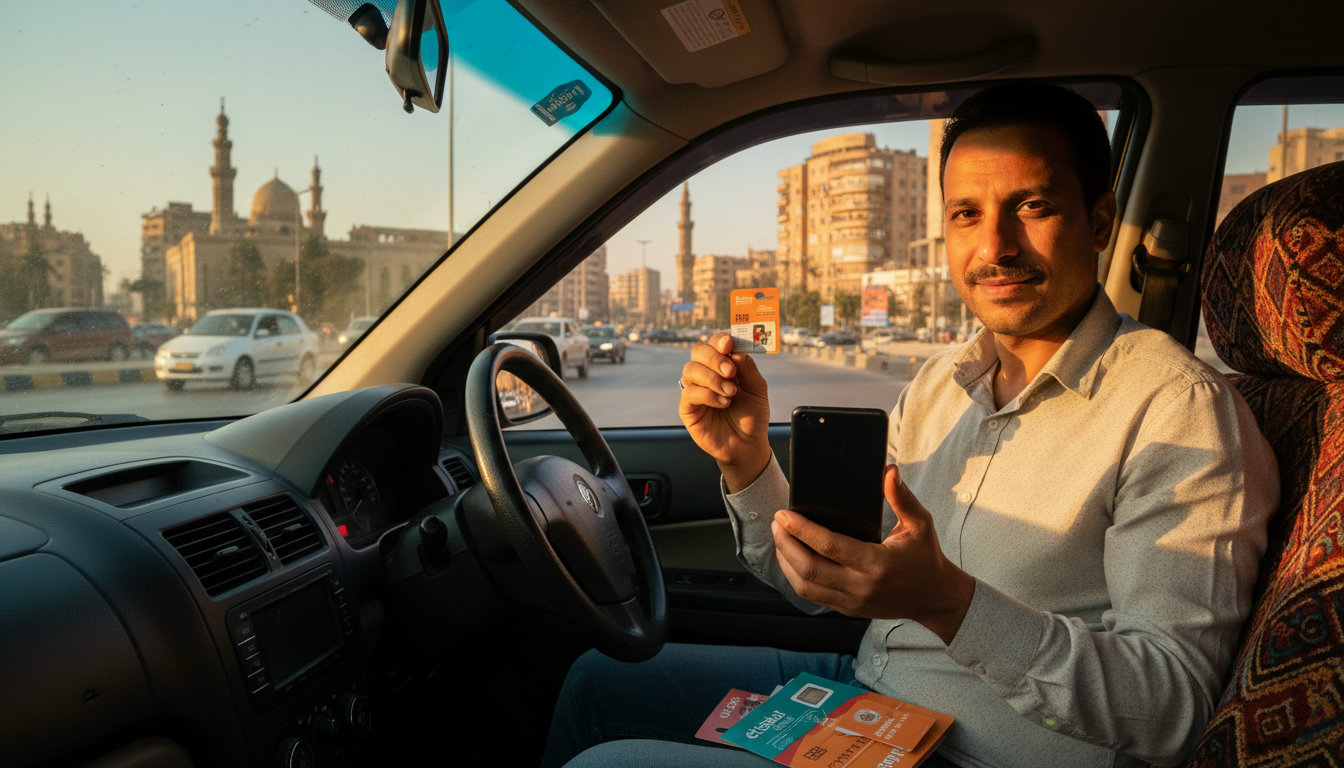
In short, what you'll discover in this article: Learn why a dedicated SIM card is essential for taxi drivers in Egypt, explore what a "sim taxi" is, and understand how to choose the best SIM plans tailored for taxi services. Get insights on technical integration, security, and cost optimization to keep your taxi fleet connected efficiently.
1. Introduction: Why a Dedicated SIM for Taxi?
For taxi drivers and taxi companies in Egypt, having a dedicated SIM card is more than just convenience—it's a necessity. A specialized SIM ensures reliable communication between drivers, dispatch centers, and customers.
It supports essential services like GPS tracking, client apps, payment processing, and telemetry data transmission. Without the right SIM solution, managing a taxi fleet can become costly and inefficient due to poor connectivity or high roaming fees.
Using a dedicated SIM for taxi operations helps maintain seamless communication, reduces operational downtime, and improves customer satisfaction by enabling real-time updates and quick responses.
2. What Is a "Sim Taxi"?
2.1 Definition and Differences from a Consumer SIM
A sim taxi refers to a SIM card specifically designed or optimized for taxi drivers and taxi services. Unlike regular consumer SIM cards intended for personal use, these SIMs often come with features tailored to business needs such as:
- Enhanced data plans supporting GPS and telematics
- Special voice and SMS packages for driver-dispatch communication
- Integration capabilities with taxi management systems
These differences make a taxi SIM card more suitable for the demanding environment of taxi operations compared to standard prepaid or postpaid consumer SIMs.
2.2 Typical Use Cases (Geolocation, Client Apps, Payment, Telemetry)
Taxi SIM cards are commonly used for:
- Geolocation: Real-time GPS tracking of vehicles to optimize routes and improve safety.
- Client Applications: Enabling drivers to receive ride requests via apps.
- Payment Processing: Supporting mobile point-of-sale (POS) devices inside taxis.
- Telemetry: Transmitting vehicle diagnostics or driver behavior data to fleet managers.
These use cases require stable connectivity with sufficient data throughput and low latency.
3. Types of SIMs Suitable for Taxis
3.1 Physical SIM vs eSIM
Taxi services can choose between traditional physical SIM cards or modern eSIMs:
- Physical SIM: Inserted into the vehicle’s device or driver’s phone; widely supported but requires manual replacement.
- eSIM: Embedded SIM technology allowing remote activation and switching between carriers without physical swaps. This flexibility benefits fleet managers who want to optimize costs or coverage dynamically.
For those interested in eSIM options in Egypt, detailed guidance is available on how to purchase and activate an eSIM.
3.2 M2M / IoT SIMs for Telematics Devices
Machine-to-Machine (M2M) or Internet of Things (IoT) SIM cards are designed for telematics boxes installed in taxis. These SIMs offer:
- Reliable connectivity optimized for low data usage
- Long-term stability with extended validity
- Remote management capabilities
They are ideal when taxis use dedicated hardware for tracking or diagnostics separate from driver smartphones.
3.3 Multi-SIM and Failover Solutions for Fleets
Taxi companies managing multiple vehicles often deploy multi-SIM solutions that allow switching between networks based on signal strength or cost efficiency. Failover mechanisms ensure uninterrupted communication even if one network fails.
4. Choosing the Right Plan (Voice, SMS, Data) for a Taxi
4.1 Criteria: Coverage, Data Quotas, Bitrate, SLA
Selecting the best SIM card for taxi drivers depends on several factors:
- Network Coverage: Must be strong across urban areas like Cairo and rural routes.
- Data Quotas: Sufficient data allowance to support GPS tracking and app usage.
- Bitrate: Fast upload/download speeds to avoid delays.
- Service Level Agreements (SLA): Priority support or guaranteed uptime can be crucial.
4.2 Prepaid Offers vs Professional Subscriptions vs Data Pooling
Taxi operators can choose among:
- Prepaid SIMs: Flexible with no long-term commitment; good for small fleets.
- Professional Subscriptions: Often include better rates and dedicated support.
- Data Pooling Plans: Share data across multiple SIMs in a fleet to optimize costs.
For travelers or short-term needs in Egypt, prepaid options from providers like eSIM.dog or Roamic offer competitive rates starting around $2.39 for 7 days of data.
5. Technical Integration with the Vehicle
5.1 Compatibility with Taximeters and POS Devices
A reliable taxi driver mobile SIM must integrate seamlessly with taximeters and mobile POS terminals used inside taxis for fare calculation and payment processing.
5.2 APIs, Remote Management, and Mobile Device Management (MDM)
Advanced taxi fleets benefit from APIs that allow remote configuration of SIM cards and devices via Mobile Device Management platforms. This enables:
- Remote activation/deactivation
- Usage monitoring
- Firmware updates over-the-air
6. Security and Compliance
6.1 Protection Against Cloning and Best Practices
To prevent fraud such as SIM cloning or unauthorized access:
- Use secure PIN codes
- Regularly update device firmware
- Employ network-level protections offered by carriers
6.2 GDPR, Data Retention, and Legal Obligations
Taxi companies must comply with local regulations concerning customer data privacy—especially when handling location tracking or payment information—to avoid legal issues.
7. Operational Management and Support
7.1 Activation, Replacement, and Portability
Efficient management includes quick activation of new SIMs, easy replacement in case of loss or damage, and number portability if switching providers.
7.2 Tools to Manage a Fleet (Consumption Tracking, Alerts, Billing)
Fleet managers benefit from dashboards providing:
- Real-time consumption reports
- Alerts on unusual usage
- Consolidated billing statements
These tools help control costs while ensuring uninterrupted service.
8. Total Cost of Ownership and Optimization
8.1 Calculating Cost per Ride / Driver
Understanding the cost per trip or per driver helps optimize expenses by balancing connectivity needs against budget constraints.
8.2 Tips to Reduce Bills (Bundled Plans, App Optimization)
Cost-saving strategies include:
- Choosing bundled plans offering voice + data + SMS
- Optimizing apps to minimize unnecessary data use
- Leveraging promotional codes from providers like Yesim (-20% with code MYBESTSIM20) or LinkeSIM (-5% unlimited with MYBESTSIM)
9. Practical Cases and Testimonials (Fleet / Driver Examples)
Successful taxi fleets in Egypt often share how dedicated SIM plans for taxi companies improved their operations by enhancing communication reliability and reducing downtime.
For more detailed insights about mobile connectivity options while traveling or operating in Egypt, check out our guide on Egypt data plans.
10. Conclusion: Choose the Best SIM for Your Taxi Business
Selecting the right sim taxi solution is crucial for smooth operations in Egypt’s competitive taxi market. Whether you opt for physical SIMs or flexible eSIMs with tailored plans focusing on coverage, data needs, security, and cost-efficiency, the right choice empowers your drivers to stay connected reliably.
Explore available options carefully—leveraging resources like MyBestSim comparisons—and activate your ideal plan today to boost your taxi service’s performance across Egypt’s cities and highways!
FAQ
What makes a sim taxi different from a regular SIM?
A sim taxi is tailored for taxi operations, offering enhanced data plans for GPS, special voice and SMS packages, and integration with taxi management systems. Unlike regular SIMs, it supports the unique communication and tracking needs of taxi fleets.
How do eSIMs benefit taxi fleet management in Egypt?
eSIMs allow remote activation and carrier switching without physical swaps, giving fleet managers flexibility to optimize costs and coverage dynamically. This reduces downtime and simplifies SIM management across multiple vehicles.
Which factors should I consider when choosing a taxi SIM plan?
Key factors include strong network coverage across urban and rural areas, sufficient data quotas for GPS and apps, fast upload/download speeds, and service level agreements that guarantee uptime and priority support.
Can taxi SIM cards integrate with payment and telematics devices?
Yes, dedicated taxi SIMs are compatible with taximeters, mobile POS devices, and telematics hardware. They enable seamless fare calculation, payment processing, and real-time vehicle diagnostics transmission.
What security measures protect taxi SIM cards from fraud?
Security best practices include using secure PIN codes, regularly updating device firmware, and leveraging carrier network protections to prevent SIM cloning and unauthorized access, ensuring safe communication for taxi operations.

Omar Hassan
Omar is a travel-tech writer covering North Africa and the Middle East. At Egypt eSIM he tests Vodafone, Orange and Etisalat coverage from Cairo to the Red Sea.