Best Travel Connectivity and eSIM Plans for Luxor Egypt
8/26/2026
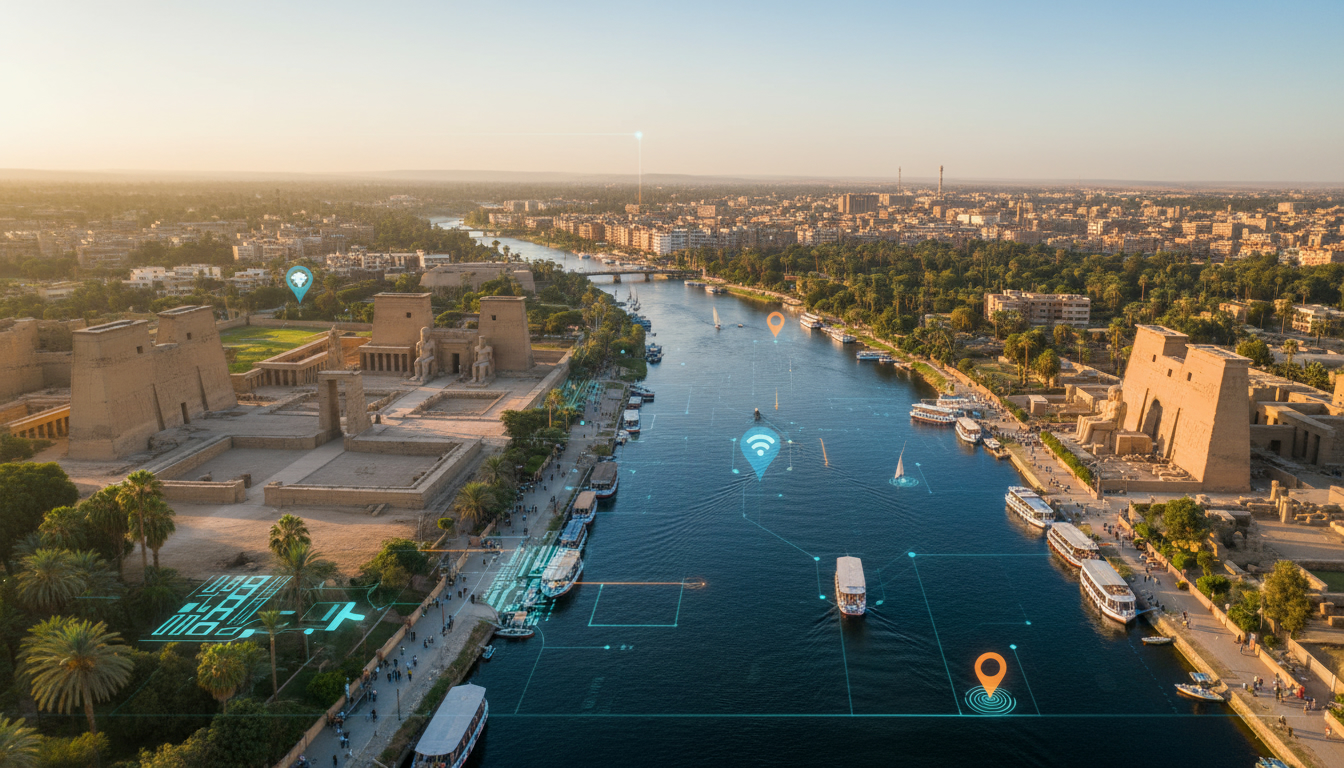
In short, what you'll discover in this article: Explore Luxor Egypt’s rich history, top attractions, and practical travel tips. Learn about the best times to visit, must-see temples, unique experiences like Nile cruises and hot air balloon rides, plus how to stay connected with the best eSIM data plans for your trip.
1. Introduction — Why Visit Luxor? A Quick Overview
Luxor Egypt is often called the world’s greatest open-air museum. Nestled on the east bank of the Nile River in Upper Egypt, it was once the ancient city of Thebes, a powerful capital filled with monumental temples, royal tombs, and vibrant culture.
Today, Luxor offers travelers a unique blend of archaeological wonders and modern Egyptian hospitality.
Visitors come to marvel at iconic sites like the Valley of the Kings and the Karnak Temple complex while enjoying scenic Nile cruises and bustling local markets. Whether you’re an archaeology enthusiast or simply seeking an unforgettable cultural experience, Luxor has something for everyone.
2. What You Need to Know Before You Go
2.1 When to Visit (Seasons & Weather)
The best time to visit Luxor is during the cooler months from October to April. Daytime temperatures range from comfortable 70°F (21°C) to 85°F (29°C), perfect for exploring outdoor sites without the intense heat of summer.
Summers can be extremely hot, often exceeding 100°F (38°C), making sightseeing less comfortable. Early mornings and late afternoons are ideal for visiting temples during warmer seasons.
2.2 Entry Requirements, Visa & Safety
Most travelers require a visa to enter Egypt, which can be obtained online or on arrival depending on your nationality. It’s advisable to check current visa policies before your trip.
Luxor is generally safe for tourists, but standard precautions apply: avoid isolated areas at night and keep an eye on your belongings in crowded places.
2.3 Budget & Accommodation Options
Luxor offers a range of accommodations from budget hostels to luxury resorts like the Hilton Luxor Resort & Spa near Karnak Temple. Expect affordable meals and transport options that fit various budgets.
Typical daily expenses include:
- Meals: $5–$20
- Entry fees: $10–$30 per site
- Local transport: $1–$10 depending on mode
Booking hotels close to major attractions can save travel time and enhance your experience.
3. Must-See Attractions in Luxor
3.1 Valley of the Kings — What to See & Tips for Major Tombs
The Valley of the Kings is home to over 60 royal tombs including that of Tutankhamun. Highlights include:
- Tomb of Ramses VI: Known for its vivid wall paintings.
- Tomb of Seti I: One of the most beautifully decorated.
- Tutankhamun’s Tomb: Famous for its treasures (note limited access).
Buy tickets early or consider a guided tour to avoid crowds and gain deeper insights into each tomb’s history.
3.2 Karnak Temple Complex — History, Layout & Best Time to Visit
Karnak is one of Egypt’s largest temple complexes, dedicated primarily to the god Amun-Ra. Its vast courtyards, towering columns, and sacred lakes showcase ancient Egyptian architectural genius.
Visit early morning or late afternoon for softer light and fewer visitors. Don’t miss the Hypostyle Hall with its 134 massive columns.
3.3 Luxor Temple — Key Highlights
Located in the city center, Luxor Temple is famous for its grand avenue lined with sphinxes connecting it to Karnak. It was built mainly by Amenhotep III and Ramses II as a place of worship and royal celebration.
Evening visits offer magical views when illuminated during sound and light shows.
3.4 Queen Hatshepsut Temple & Deir el-Bahari
This mortuary temple honors Egypt’s powerful female pharaoh Hatshepsut. Its striking terraces rise dramatically against cliffs on the west bank.
Nearby Deir el-Bahari offers additional tombs and temples worth exploring with fewer tourists around.
3.5 Colossi of Memnon & Surrounding Sites
These two giant statues guard the entrance to Amenhotep III’s mortuary temple ruins. They are iconic landmarks perfect for photos and brief stops during West Bank tours.
4. Museums & Lesser-Known Sites
4.1 Luxor Museum, Nobles’ Tombs & Off-the-Beaten-Path Sites
The Luxor Museum houses exquisite artifacts from nearby archaeological sites including statues, jewelry, and mummies.
Explore tombs of nobles located near the Valley of the Kings for quieter experiences revealing daily life in ancient Thebes.
Other hidden gems include:
- Medinet Habu Temple
- Ramesseum (Mortuary Temple of Ramses II)
5. Activities & Experiences
5.1 Nile River Cruises & Felucca Rides
A Nile cruise between Luxor and Aswan lets you relax while soaking in spectacular river views and visiting temples along the way.
For a more traditional experience, take a felucca sailboat ride at sunset—an unforgettable way to see Luxor from the water.
5.2 Markets, Handicrafts & Local Workshops
The Luxor souks offer vibrant shopping with spices, textiles, jewelry, and souvenirs crafted by local artisans.
Visiting workshops gives insight into traditional crafts like pottery or papyrus making—perfect for unique gifts.
5.3 Night Tours & Sound & Light Shows
Several temples host evening sound and light shows narrating their history with dramatic effects—highly recommended at Karnak and Luxor Temples.
Night tours provide a different atmosphere with cooler temperatures and fewer crowds.
6. Recommended Itineraries
6.1 One-Day Itinerary — Essentials
- Morning: Valley of the Kings tour
- Afternoon: Karnak Temple visit
- Evening: Sound & light show at Luxor Temple
6.2 Two-Day Itinerary — Balanced Exploration
Day 1:
- Valley of the Kings
- Queen Hatshepsut Temple
- Colossi of Memnon
Day 2:
- Karnak Temple complex
- Luxor Museum
- Souks shopping + felucca ride at sunset
6.3 Three Days+ Itinerary — For Archaeology Enthusiasts
Add visits to:
- Tombs of Nobles
- Medinet Habu
- Ramesseum
- Optional hot air balloon ride over West Bank at dawn for breathtaking aerial views
7. Practical Tips On The Ground
7.1 Getting Around (Taxi, Tuk-Tuk, Bus, Bicycle)
Taxis are widely available but agree on fares beforehand or use ride apps if possible.
Tuk-tuks offer short-distance fun rides but negotiate prices upfront.
Bicycles can be rented near hotels for flexible exploration along quieter streets.
Public buses connect main areas but may be less convenient for tourists unfamiliar with routes.
7.2 Tickets, Passes & Booking Tips To Avoid Crowds
Purchase tickets online or through trusted agencies ahead of time when possible—especially for popular sites like Valley of the Kings.
Consider combined passes covering multiple attractions for savings and easier access.
Early morning visits help beat crowds at major temples.
7.3 Health, Safety & Local Recommendations
Stay hydrated in dry desert climate; carry sunscreen and hats during daytime excursions.
Eat at well-reviewed restaurants or hotel eateries to avoid foodborne illnesses.
Respect local customs such as modest dress codes when visiting religious sites.
8. Photography — Best Spots & Tips
Capture stunning photos at:
- Sunrise over Valley of the Kings
- Hypostyle Hall columns at Karnak Temple
- Sunset from a felucca on the Nile
- Hot air balloon views over West Bank monuments
Use early morning or late afternoon light for softer shadows and vibrant colors.
Bring extra batteries or power banks as charging options may be limited during long tours.
9. Unique Ideas & Differentiating Angles
For a truly memorable trip:
- Take a hot air balloon ride over Luxor at dawn—see temples from above in golden light.
- Join a guided tour focusing on lesser-known archaeological sites.
- Explore local artisan workshops in souks where you can try your hand at crafts.
- Experience a traditional Egyptian meal with a local family through cultural exchange programs.
To stay connected throughout your journey in Luxor Egypt without roaming fees or connectivity issues, consider purchasing an eSIM data plan before arrival or upon landing in Egypt. The prepaid eSIM offers instant activation so you can navigate easily using maps or book tours online anytime during your stay.
For comprehensive guidance on buying and activating eSIMs in Egypt—including options from Vodafone, Orange, Etisalat (e&), and WE—check out this detailed guide. You can also compare affordable plans tailored for tourists visiting Luxor via our ultimate Egypt data plan guide.
10. Conclusion
Luxor Egypt is an extraordinary destination blending ancient wonders with vibrant modern culture that every traveler should experience at least once. From exploring iconic temples and royal tombs to cruising the Nile and shopping lively markets, there’s no shortage of things to do in Luxor that will enrich your journey through history.
Plan ahead using recommended itineraries and practical tips here—and don’t forget to secure reliable connectivity with an eSIM data plan so you stay connected effortlessly throughout your adventure!
FAQ
When is the best time to visit Luxor Egypt?
The best time to visit Luxor is from October to April when temperatures are cooler, ranging between 70°F and 85°F. This period offers comfortable weather for exploring outdoor sites without the extreme summer heat.
What are the must-see historical sites in Luxor?
Key sites include the Valley of the Kings, Karnak Temple complex, Luxor Temple, Queen Hatshepsut Temple, and the Colossi of Memnon. Each offers unique insights into ancient Egyptian culture and architecture.
How can I stay connected while traveling in Luxor?
Purchasing a prepaid eSIM data plan before or upon arrival in Egypt is recommended. It provides instant activation and reliable internet access, allowing you to navigate, book tours, and stay connected without roaming fees.
What transportation options are available for getting around Luxor?
Taxis, tuk-tuks, bicycles, and public buses are common ways to get around. It’s best to negotiate fares upfront for taxis and tuk-tuks, while bicycles offer flexible exploration of quieter areas.
Are there unique experiences beyond temple visits in Luxor?
Yes, travelers can enjoy Nile river cruises, felucca rides at sunset, hot air balloon flights over the West Bank, local markets with artisan workshops, and evening sound and light shows at major temples.

Omar Hassan
Omar is a travel-tech writer covering North Africa and the Middle East. At Egypt eSIM he tests Vodafone, Orange and Etisalat coverage from Cairo to the Red Sea.