Best eSIM for Bolivia: Compatible Devices and Technical Limits
10/14/2026
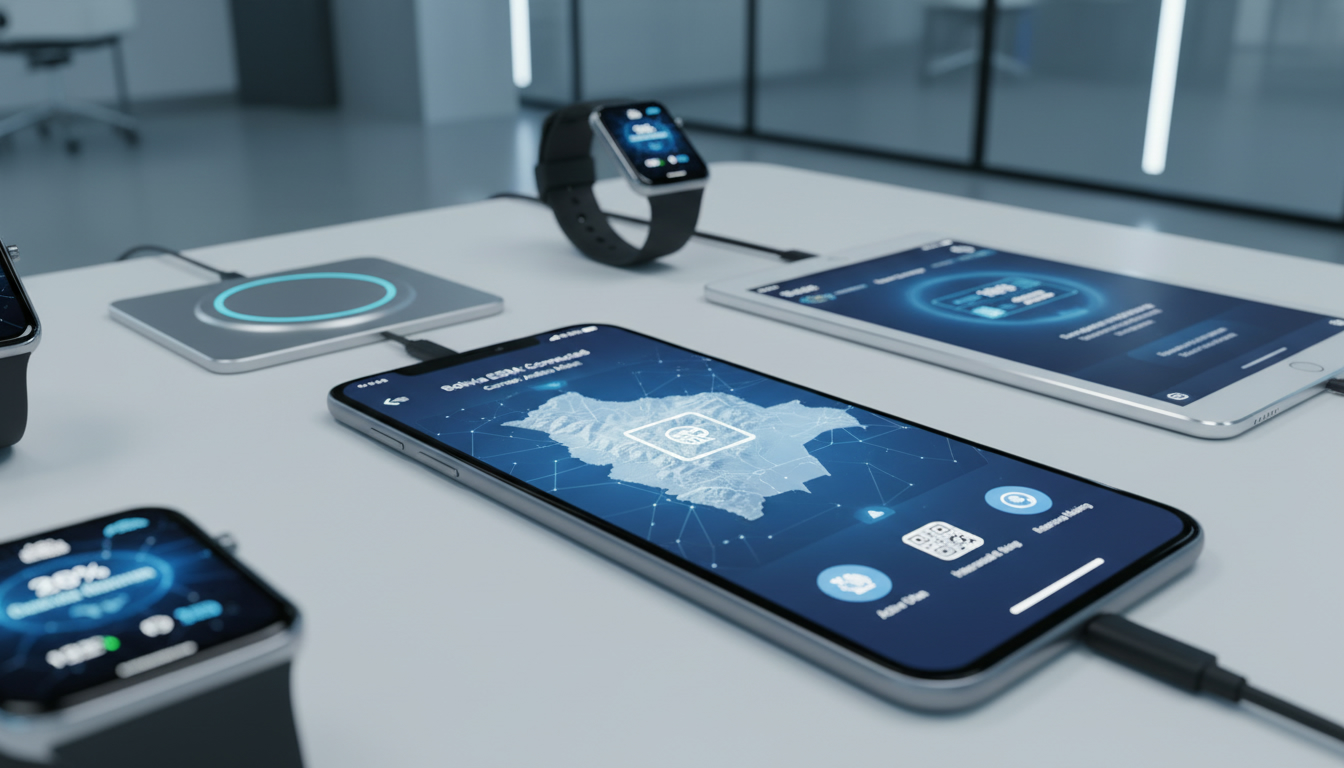
Which Devices Are Compatible With the Best eSIM for Bolivia?
If you’re planning a trip to Bolivia and want to avoid the hassle of physical SIM cards, knowing which devices support eSIM technology is crucial. The best eSIM for Bolivia depends heavily on your device’s compatibility, as not all phones or gadgets can activate an eSIM profile.
The main technical limitation is that your device must have a built-in eSIM chip and support the GSMA standard for remote SIM provisioning (SGP.22), which governs how eSIM profiles are downloaded and managed.
Currently, most recent flagship smartphones from Apple, Samsung, Google, and some newer models from Huawei and Motorola support eSIM. For example:
- Apple iPhone XS and later: These models fully support dual SIM with one physical SIM and one eSIM.
- Samsung Galaxy S20 and newer: Many models support eSIM but often only in specific regional variants.
- Google Pixel 3 and later: Fully compatible with eSIM profiles.
- Microsoft Surface Pro X: Supports eSIM for cellular connectivity.
However, some Android phones require carrier or manufacturer-specific firmware enabling eSIM functionality, which can limit usage in Bolivia if local operators don’t support those profiles. Tablets like the iPad Pro (3rd generation and later) also support eSIM, but laptops with cellular modems vary widely in compatibility.
A key field observation is that if your device does not explicitly list eSIM support in its specifications or settings menu, you should not expect to use an eSIM in Bolivia. Attempting to activate an eSIM on an unsupported device results in failure to download the profile or no network connection once installed.
Technical Limitations of Using eSIMs in Bolivia
Bolivia’s mobile infrastructure supports GSM, 3G, 4G LTE, and increasingly 5G networks through operators like Tigo and Entel. However, the adoption of eSIM-compatible network provisioning is still developing.
This means:
- Not all local carriers offer native eSIM profiles, so international or global eSIM providers often rely on roaming agreements.
- Roaming via an international eSIM can cause slower speeds or higher latency compared to a local physical SIM.
- Some devices lock the number of active eSIM profiles to three or five; exceeding this requires deleting old profiles before adding new ones.
- The GSMA specification SGP.22 mandates secure remote provisioning but some devices may have firmware bugs that cause activation errors with certain providers.
A practical consequence is that travelers who buy an international Bolivia eSIM from providers like Holafly or Airalo might experience temporary loss of data connectivity during profile activation if their device firmware does not fully comply with GSMA standards. I always start by checking for the latest OS updates on my phone before buying an eSIM plan for Bolivia to minimize such issues.
The Best Data Packages and Providers Compatible With Your Device
Choosing the best data package for Bolivia depends on your device’s compatibility with the provider’s network setup and your travel needs. Here are some popular international providers offering Bolivia-compatible eSIMs:
| Provider | Data Volume | Validity | Notes |
|---|---|---|---|
| Holafly | Unlimited | Trip-based | Known for stable coverage in La Paz and major cities |
| Airalo | Flexible | Varies | Easy app management; supports top Bolivian networks |
| Saily | Various | Various | Offers free security features; good rates |
| Revolut | Pay-as-you-go | Flexible | Prepaid plans starting low; app top-ups available |
Since Bolivia’s best coverage comes from Tigo and Entel networks, ensure your chosen provider uses these as roaming partners. The fastest eSIM network in Bolivia typically comes from Tigo’s LTE infrastructure, but coverage outside urban centers can be patchy.
A field observation worth noting: when switching between multiple Bolivian cities such as La Paz, Santa Cruz, and Sucre, network handover delays can occur if your device switches between roaming partners, causing brief data interruptions. This is a technical limitation of roaming via international eSIMs rather than local SIMs.
How to Buy an eSIM for Bolivia That Works With Your Device
Buying an eSIM for Bolivia involves several steps where device compatibility plays a central role:
- Verify your device supports GSMA-compliant eSIMs: Check settings under “Cellular” or “Mobile Data” for “Add Cellular Plan” options.
- Choose a reliable eSIM provider: Use platforms like Airalo or Holafly that explicitly list Bolivia among their supported destinations.
- Purchase the plan via app or website: Most providers deliver a QR code or direct download link instantly after payment.
- Activate the profile on your device: Scan the QR code or install via app; ensure Wi-Fi is active during activation.
- Test connectivity before arrival: I always advise activating the plan at home or airport Wi-Fi to confirm it works without surprises.
One common mistake travelers make is trying to activate multiple profiles simultaneously on devices limited to three active plans, which leads to activation errors or profile corruption. The sign that it worked is seeing your Bolivian carrier name appear under cellular settings with signal bars.
For travelers interested in flexible prepaid options, Revolut offers easy top-ups within their app after initial setup — ideal if you want to manage data spending dynamically during your trip.
Practical Device Compatibility Tips From My Experience
From my work testing mobile networks across regions including Egypt and now researching Bolivia’s market, I’ve learned these key points about device compatibility with international travel eSIMs:
- Always update your phone’s OS before traveling: Firmware updates often fix bugs related to remote SIM provisioning.
- Don’t rely solely on automatic carrier selection: Manually selecting the preferred network operator in settings can improve stability when roaming via an international Bolivia eSIM.
- Beware of dual-SIM conflicts: Some devices disable data on one SIM when the other is active; test this behavior before departure.
- Check if your phone supports multiple LTE bands used by Bolivian carriers: Lack of band support can reduce speeds drastically even if you have a valid data plan.
For more detailed guidance on managing travel connectivity with modern devices, my article about eSIM activation tips offers insights applicable globally.
By focusing on what devices work with Bolivia’s best eSIM options and understanding technical limitations like GSMA compliance and roaming constraints, you’ll avoid common pitfalls that lead to poor connectivity abroad. Planning ahead with compatible hardware ensures you stay online smoothly throughout your Bolivian adventure.
FAQ
Which devices support eSIM for Bolivia travel?
Most recent flagship phones like Apple iPhone XS and later, Samsung Galaxy S20 and newer, Google Pixel 3 and later, and Microsoft Surface Pro X support eSIM for Bolivia. Tablets like iPad Pro (3rd generation and later) also work, but check your device specs to confirm compatibility.
What are the main technical limits of eSIMs in Bolivia?
Bolivia’s carriers are still developing native eSIM support, so many rely on roaming agreements. Devices may face activation errors due to firmware bugs or profile limits, and roaming can cause slower speeds or brief data interruptions between cities.
Which eSIM providers offer the best Bolivia data plans?
Popular providers include Holafly, Airalo, Saily, and Revolut. They offer various data volumes and validity periods, often using Tigo and Entel networks for coverage. Holafly is known for stable service in major cities like La Paz.
How do I activate an eSIM on my device for Bolivia?
First, verify your device supports GSMA-compliant eSIMs. Purchase a plan from a reliable provider, then scan the QR code or download the profile via app while connected to Wi-Fi. Test connectivity before arrival to avoid surprises.
What tips improve eSIM performance when traveling in Bolivia?
Update your phone’s OS before travel, manually select preferred networks to reduce roaming issues, test dual-SIM behavior beforehand, and ensure your device supports Bolivia’s LTE bands for optimal speeds and stable connections.

Omar Hassan
Omar is a travel-tech writer covering North Africa and the Middle East. At Egypt eSIM he tests Vodafone, Orange and Etisalat coverage from Cairo to the Red Sea.